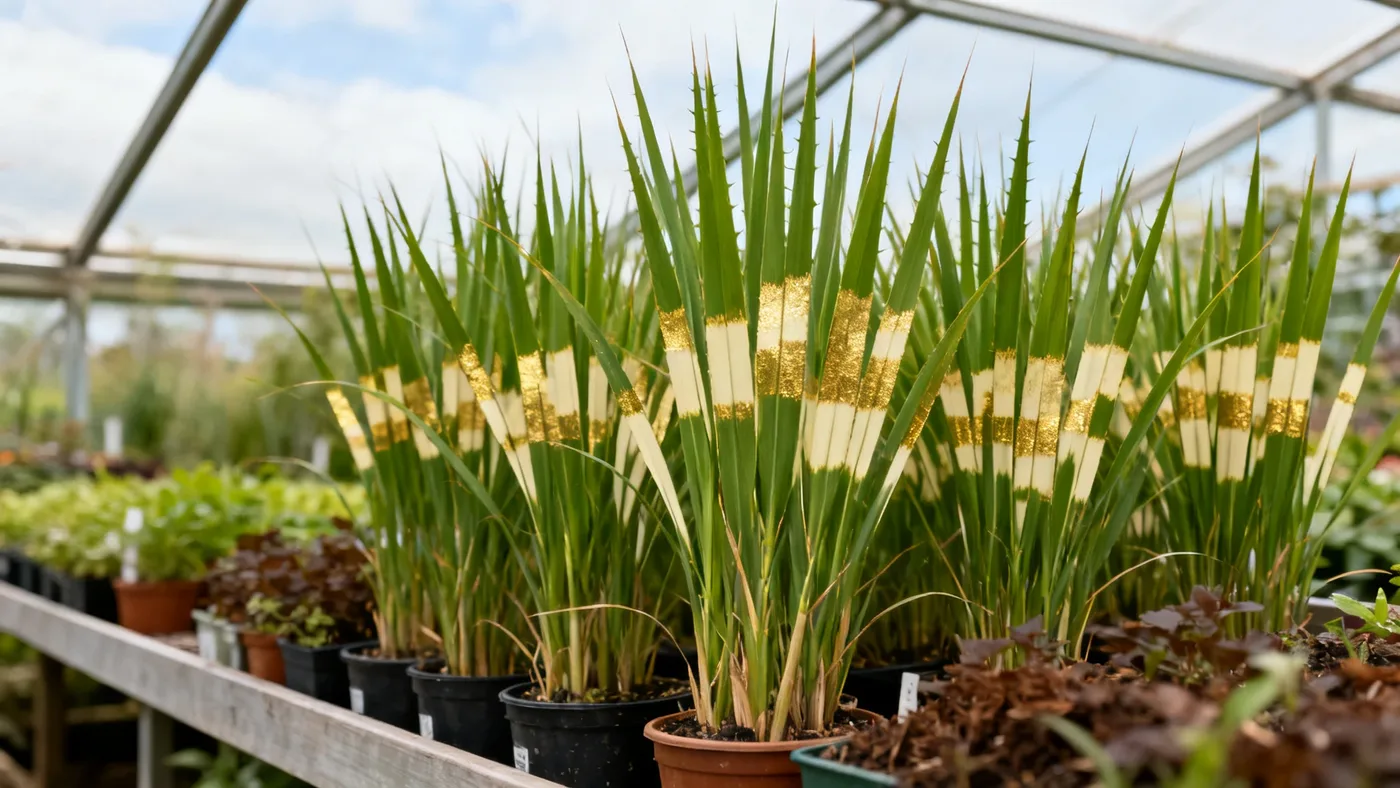
How Big Does Porcupine Grass Get? Size and Growth Rate
Porcupine Grass is a striking ornamental grass that commands space in any garden. Understanding its mature size and how quickly it reaches full height helps you plan placement, spacing, and long-term maintenance. This guide answers your questions about Miscanthus strictus dimensions, growth timeline, and the factors that shape its vertical and horizontal spread.
Mature Height and Overall Size
How tall does Porcupine Grass get?
Porcupine Grass typically reaches 5 to 7 feet in height, including the flower plumes. In favorable conditions with full sun and a long growing season, plants can stretch to 7 or even 8 feet when in full bloom. The exact height depends on your climate zone, available sunlight, and the length of your growing season.
What is the mature size of Miscanthus strictus?
A mature Porcupine Grass plant develops a clump that spreads 3 to 4 feet wide. Combined with its 5 to 7 foot height, this creates a substantial but upright accent that doesn't sprawl. This compact horizontal growth distinguishes 'Strictus' from other Miscanthus cultivars with more arching or spreading habits.
How much space should I leave between plants?
Space Porcupine Grass 3 to 4 feet apart when planting in mass or as a hedge. This spacing ensures each mature clump has room to reach its full width without crowding neighbors or creating dense shade that promotes disease. Closer spacing creates a denser screen, but may require earlier division.
Will my Porcupine Grass get bigger year after year?
No, Porcupine Grass reaches its mature size in 2 to 3 growing seasons and then stabilizes. After that, it maintains its height and width unless you divide it. Over many years (10+ years), the center of the clump may decline, which is when division rejuvenates growth.
Growth Rate and Timeline
How fast does Porcupine Grass grow?
Porcupine Grass has a moderate to fast growth rate once established. Young plants gain roughly 1 to 2 feet of height per year until they reach their full size in the second or third growing season. First-year plants may grow more slowly as they develop a strong root system.
How long does it take Porcupine Grass to reach full size?
Most Porcupine Grass plants sold in quart containers reach flowering size and full clump form within 2 to 3 growing seasons. This timeline assumes consistent moisture, full sun, and a balanced single spring fertilizer application. Larger container sizes or established divisions may flower the first year.
When will my new Porcupine Grass bloom?
Porcupine Grass typically flowers in late summer into fall, roughly August through October depending on your zone and weather. Young plants in their first season may flower if established early enough, but full-sized plume display usually arrives in year two or three. The coppery-pink plumes mature to silvery-white or tan by late fall.
Does Porcupine Grass get fuller or taller over time?
Porcupine Grass gains both height and width as it matures, reaching its full potential by year 3. After that, it maintains its form without significant annual increase. Dividing the clump every 3 to 5 years reinvigorates growth and prevents the center from dying out.
Size Variations by Climate and Season
How does climate affect Porcupine Grass height?
Porcupine Grass grows 5 to 7 feet in zones 5 through 9, but achieves smaller heights in cooler zones or where the growing season is short. In zone 5, plants may max out at 4 to 5 feet because frost arrives before maximum height is reached. Warmer zones with longer seasons achieve the full 7 to 8 foot range, especially with consistent moisture and full sun.
Does Porcupine Grass get smaller in containers?
Yes, container-grown Porcupine Grass will eventually outgrow its pot and decline if not repotted or transplanted to the ground. Plants commonly sold in quart containers are young and require larger containers (at least 5 to 7 gallon pots) as they mature. Regular watering is essential for potted plants because soil dries faster than in-ground beds.
Will Porcupine Grass stay shorter if I limit water?
Drought stress may reduce height slightly, but it also weakens the plant and invites disease or pest pressure. Porcupine Grass performs best with average, consistent moisture and reaches its full ornamental potential under these conditions. While established plants tolerate short dry spells, this should not be relied upon for size management.
What happens to Porcupine Grass height in fall and winter?
The foliage fades to tan, beige, or gold as temperatures drop, but the plant's structural height remains constant through winter. The dried plumes and stems persist and provide seasonal interest and texture until you cut everything back to 4 to 6 inches above ground in late winter or early spring. This winter architecture gives the plant value even in dormancy.
Factors That Control Size
How does sun exposure affect Porcupine Grass size?
Full sun produces the best height, flowering, and upright habit in Porcupine Grass. Plants in partial or light shade tolerate the lower light but may not reach maximum height or produce as many plumes. Insufficient sun can also cause stems to flop or split open in the center, making the plant appear smaller and less tidy.
Does fertilizing make Porcupine Grass taller?
A single balanced fertilizer application in spring (such as 10-10-10) is sufficient for Porcupine Grass, which is a light feeder. Over-fertilizing actually causes floppy growth and stem splitting, making the plant look smaller and messier. Resist the urge to feed it repeatedly, as this encourages weak, sprawling stems that require support.
Can I make Porcupine Grass shorter by pruning?
Cutting back to 4 to 6 inches above ground in late winter or early spring is the only recommended pruning. This hard cutback removes the old foliage to make room for new spring growth. Never prune in fall, as this removes winter interest and can invite crown rot.
What soil conditions help Porcupine Grass reach maximum size?
Porcupine Grass adapts to most soils, including clay, and prefers moist, well-drained conditions. Soil pH between 5.5 and 7.5 is ideal. While the plant tolerates average garden soil, consistent moisture and good drainage support the vigorous growth needed to reach full height and flowering potential.
Comparison and Context
How does Porcupine Grass compare to other tall grasses?
Porcupine Grass is notably upright and rigid compared to other Miscanthus cultivars such as Zebra Grass ('Zebrinus'), which has a broader, more arching habit. At 5 to 7 feet tall with a 3 to 4 foot spread, 'Strictus' is ideal for space-conscious gardeners or those seeking a vertical accent. Its stiff, banded foliage and compact form make it a distinctive choice among ornamental grasses.
Is Porcupine Grass suitable for small gardens?
Porcupine Grass's upright 3 to 4 foot width makes it more suitable for modest-sized gardens than spreading grasses, but it still demands significant vertical space at 5 to 7 feet tall. Small gardens should plan for it as a focal point or back-of-border specimen rather than as a massed planting. Container growing is also an option for gardeners with very limited space, though containerized plants need larger pots and more frequent watering.
How should I use the size of Porcupine Grass in garden design?
Plant Porcupine Grass where its full height adds vertical drama without shading other plants or blocking sightlines you wish to preserve. Its upright habit and rigid stems make it ideal as a seasonal privacy screen, an informal hedge, or a backdrop for shorter perennials such as Sedum, Rudbeckia, and Echinacea. Position it in full sun on the north or west side of shorter plantings to avoid creating unwanted shade.
Can I use Porcupine Grass on slopes?
Yes, Porcupine Grass serves well for erosion control on slopes because its deep fibrous root system stabilizes soil. Space plants 3 to 4 feet apart to create a cohesive groundcover effect. The mature 5 to 7 foot height provides a dramatic backdrop while the spreading clumps hold soil in place.
Quick Reference: Porcupine Grass Size at a Glance
| Size Attribute | Measurement |
|---|---|
| Mature Height (foliage + plumes) | 5–7 ft; up to 7–8 ft in bloom (zones 7+) |
| Mature Width (clump spread) | 3–4 ft |
| Annual Growth Rate (once established) | 1–2 ft per year |
| Time to Full Size | 2–3 growing seasons |
| Spacing Between Plants | 3–4 ft apart |
| Height in Cooler Zones (Zone 5) | 4–5 ft (shorter season) |
| Bloom Time | Late summer to fall (Aug–Oct) |
| Spring Cutback Height | 4–6 in. above ground |
| Lifespan (with division) | 10+ years |
| Division Frequency for Vigor | Every 3–5 years |
For comprehensive care instructions, including planting, fertilizing, and pest management, see our complete growing guide to Porcupine Grass care.