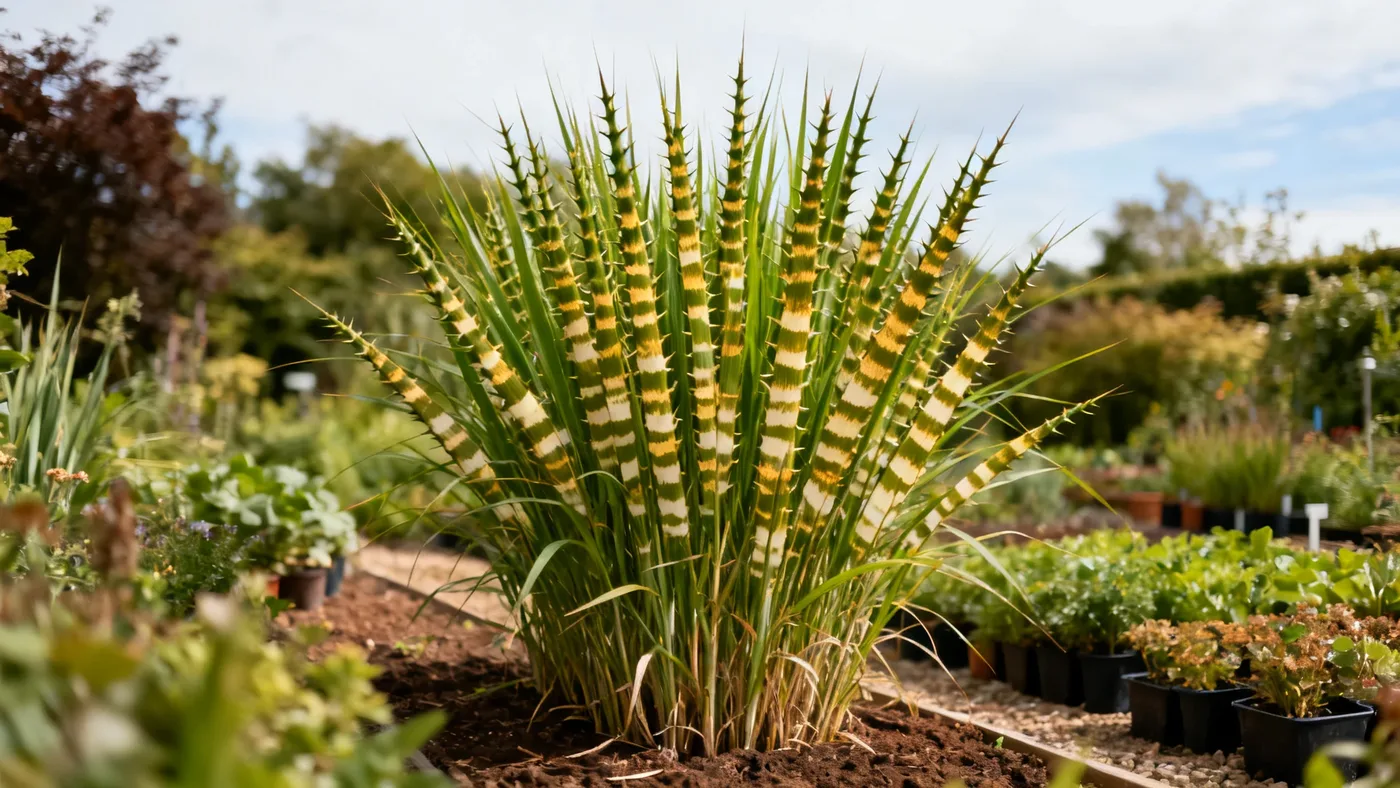
Porcupine Grass Hardiness Zones: Where It Grows Best
Porcupine Grass, botanically known as Miscanthus sinensis 'Strictus', is a warm-season ornamental grass that brings upright structure and distinctive banded foliage to gardens across much of the United States. Whether you're gardening in zone 5's cold winters or zone 9's mild climate, understanding how this plant performs in your region will help you grow it successfully. This guide answers the most common questions about porcupine grass hardiness zones and regional growing conditions.
General Hardiness & Zone Compatibility
What USDA hardiness zones can grow Porcupine Grass?
Porcupine Grass thrives in USDA hardiness zones 5 through 9, making it suitable for gardeners from the Upper Midwest and Northeast down through the Southeast and into the warmer regions of the South. This wide range reflects the plant's moderate cold tolerance and ability to adapt to diverse climates. However, performance varies noticeably between the coldest and warmest zones.
Is Porcupine Grass hardy in zone 5?
Yes, Porcupine Grass is fully hardy in zone 5, where winter temperatures drop to minus 20 to minus 10 degrees Fahrenheit. The plant will die back completely to the ground in winter, but the root system survives beneath the soil surface and regrows vigorously in spring. This dormant-season dieback is normal and does not indicate a problem.
What is the Miscanthus strictus cold hardiness rating?
Miscanthus sinensis 'Strictus' is rated for zones 5 to 9, confirming it can withstand the minimum winter temperatures in zone 5 consistently. Cold hardiness in this context refers to the plant's ability to survive freezing temperatures while maintaining the crown (root system) underground. This cultivar is hardier than some other Miscanthus selections, making it a reliable choice even in marginal climates.
Can I grow Porcupine Grass in zone 4?
Zone 4 is too cold for reliable Porcupine Grass survival; winter temperatures regularly fall below minus 20 degrees Fahrenheit, which exceeds the plant's cold tolerance. If you're determined to try one in zone 4, grow it in a large container and move it indoors to a cool (not heated) garage or shed during winter. Otherwise, consider cold-hardy native grasses like Panicum or Schizachyrium, which are zoned for zone 4.
Can Porcupine Grass grow in zone 10?
Zone 10 is too warm for reliable Porcupine Grass growth. The plant is bred as a cool-season ornamental that relies on winter dormancy to thrive, and zone 10's mild winters do not provide the cold trigger needed for healthy regrowth cycles. In zone 10, the plant may struggle with disease, reduced vigor, and poor foliage quality.
Is Porcupine Grass winter hardy or tropical?
Porcupine Grass is winter hardy, not tropical. It is a cool-season perennial that goes dormant each fall, dies back completely to the ground in winter, and then regrows from the root system in spring. This cold-dormancy cycle is essential to the plant's long-term health and is why it thrives in temperate climates but struggles in consistently warm regions.
Growing Porcupine Grass in Specific Zones
How does Porcupine Grass perform in zone 5?
In zone 5, Porcupine Grass reaches mature heights of 4 to 5 feet (shorter than in warmer zones) because the growing season is shorter and the plant may not have enough warm weeks to flower reliably. The foliage is as vibrant as in other zones, and the plant is fully winter hardy with no winter protection needed. Blooms typically arrive in late August or September, just before the first hard frost.
What's the best height to expect for Porcupine Grass in zone 7?
In zone 7, Porcupine Grass commonly reaches 5 to 6 feet in height and flowers reliably from August through October. The longer growing season compared to zone 5 allows the plant to achieve its mid-range mature size and to produce abundant coppery-pink plumes that mature to silvery-white. Zone 7 is ideal for this cultivar.
Will Porcupine Grass reach full size in zone 9?
In zone 9, Porcupine Grass often reaches 6 to 7 feet or even 7 to 8 feet in bloom, approaching the top of the plant's potential size range. The extended warm season allows vigorous growth, prolific flowering, and sometimes earlier (July or August) and extended bloom windows. In the warmest parts of zone 9, monitor for occasional self-seeding, which can occur in humid areas.
Can I grow Porcupine Grass in zone 6?
Zone 6 is an excellent climate for Porcupine Grass, offering a balance between sufficient growing season and reliable winter dormancy. The plant will reach 4 to 5 feet comfortably and flower reliably in late summer and early fall. Winter hardiness is not a concern, and the plant requires no special protection.
Planting Timing & Seasonal Care by Zone
When should I plant Porcupine Grass in zone 5?
In zone 5, plant Porcupine Grass in spring after the last frost date. Fall planting (September or October) is riskier because the plant may not establish sufficient roots before the ground freezes. Spring planting gives the roots from May through October to develop and harden off for the upcoming winter.
What's the best planting time for zone 7 or zone 8?
In zones 7 and 8, spring planting after the last frost is ideal, but early fall planting (September) is also viable if you want the plant to establish roots before dormancy. Early fall planting has a distinct advantage: the milder winters in these zones allow roots to continue slow growth through winter, resulting in a stronger plant in spring. Avoid planting in late fall (November or later) when it's too close to dormancy.
When do I cut back Porcupine Grass in my zone?
Across all zones (5 through 9), cut back all foliage to 4 to 6 inches above ground in late winter or early spring, just as new shoots begin to emerge. The exact timing varies by zone: zone 5 typically means March, while zone 9 might be late February. Never prune in fall, as this removes winter interest and can invite crown rot during the damp winter months.
How long does Porcupine Grass take to mature in cold zones?
Regardless of zone, Porcupine Grass typically reaches flowering size and full clump form in 2 to 3 growing seasons when started from a quart-size nursery plant. In zones 5 and 6, the shorter growing season may push this toward the 3-year mark. In zones 8 and 9, the plant may mature slightly faster.
Does Porcupine Grass need mulch protection in winter?
No winter mulch is needed in any zone from 5 to 9. The plant's root system is naturally hardy, and the standing dried foliage provides insulation. Adding mulch around the base can actually trap moisture and increase the risk of crown rot, especially in humid zone 8 and 9 climates.
Winter Survival & Hardiness Details
Will my Porcupine Grass survive a harsh zone 5 winter?
Yes, the root crown of Porcupine Grass will reliably survive zone 5 winters, including temperatures at minus 20 degrees Fahrenheit or lower. The tops die back completely, but this is not a sign of damage. Regrowth from the roots begins in spring once soil temperatures warm, usually by late April or May.
What happens to Porcupine Grass in winter?
In winter (across all zones 5 through 9), the green foliage dies back and the leaves dry to a tan, beige, or golden color. This dried foliage persists through winter, creating interesting texture and winter interest in the landscape. The root system goes dormant beneath the soil surface but remains alive and protected from freezing by the soil itself.
Is Porcupine Grass evergreen?
No, Porcupine Grass is deciduous, not evergreen. It is a warm-season grass that dies back completely each fall and regrows from the roots in spring. The persistent dried foliage and seed plumes offer winter interest, but the plant does not retain green leaves year-round.
How long does Porcupine Grass live?
Porcupine Grass is a long-lived perennial that commonly lives 10 or more years in the landscape. To maintain vigor, divide the clump every 3 to 5 years in early spring, just as new growth emerges. This rejuvenation keeps the center from dying out and promotes fuller growth.
Regional Growing Conditions & Bloom Timing
When does Porcupine Grass flower in zone 5 versus zone 9?
In zone 5, blooms typically appear in late August or September and may be cut short by early frosts. In zone 9, flowering often begins in August and can extend into October or even early November. The bloom window shifts because warmer zones have longer periods of warm days needed to trigger flowering.
Does Porcupine Grass need full sun in every zone?
Yes, full sun is best across all zones for rich foliage color, strong upright habit, and reliable flowering. In shade, the gold bands on the foliage become less distinct, the stems may flop, and blooms are fewer. Even in warm zones where afternoon shade might seem beneficial, Porcupine Grass still performs best with at least 6 hours of direct sun daily.
Does cold climate affect the plant's banded foliage color?
Cold zones do not dim the distinctive horizontal gold-to-cream bands that run across the green blades of Porcupine Grass. The banding is genetic and appears regardless of latitude, though full sun exposure (which is more achievable in open, northern landscapes) ensures the best color saturation. Shade, not cold, is what reduces the boldness of the bands.
What's a realistic mature height for my zone?
In zone 5, expect 4 to 5 feet including flower plumes. In zone 6, expect 5 to 6 feet. In zone 7, expect 5 to 6 feet. In zone 8, expect 6 to 7 feet. In zone 9, expect 6 to 7 feet or even 7 to 8 feet in ideal conditions. These ranges reflect the cumulative effect of growing-season length and summer heat on annual height gain of roughly 1 to 2 feet per year until the plant reaches maturity in its second or third season.
Container Growing & Special Considerations
Can I grow Porcupine Grass in a pot in a cold zone?
Yes, nurseries commonly sell Porcupine Grass in quart containers, making young plants suitable for container growing. However, as the plant matures and reaches 5 to 7 feet tall, it will outgrow typical pot sizes and require moving to the ground or a very large planter. Container plants also need more frequent watering than in-ground plants.
Do I need to protect a container Porcupine Grass in winter?
In zones 5 and 6, container plants are at greater risk of root freeze-out than in-ground plants because the root system has less soil insulation. Move containers to an unheated garage or buried in the ground for winter, or wrap the pot thickly with burlap and straw. In zones 7 and warmer, overwintering a container plant outdoors is usually safe.
Are there regional invasive plant restrictions I should check?
The parent species, Miscanthus sinensis, is classified as invasive or a species of concern in parts of the eastern, mid-Atlantic, and southeastern United States due to self-seeding into natural areas. Before planting Porcupine Grass, especially if you live near woodlands or waterways, check with your local extension service or invasive plant list to confirm that growing it in your area is permitted. Some states and municipalities restrict sale or planting of Miscanthus sinensis cultivars.
Quick Reference: Porcupine Grass by Zone
| Zone | Winter Lows | Typical Height | Best Planting Time | Bloom Window | Special Notes |
|---|---|---|---|---|---|
| 5 | minus 20 to minus 10°F | 4–5 ft | Spring (after last frost) | Late Aug–Sep | No winter protection needed; fully hardy |
| 6 | minus 10 to 0°F | 5–6 ft | Spring (after last frost) | Late Aug–Oct | Excellent zone; reliable performance |
| 7 | 0 to 10°F | 5–6 ft | Spring or early fall (Sep) | Aug–Oct | Ideal climate; fall planting viable |
| 8 | 10 to 20°F | 6–7 ft | Spring or early fall (Sep) | Aug–Oct | Monitor for occasional self-seeding |
| 9 | 20 to 30°F | 6–8 ft | Spring or early fall (Sep) | July–Nov | Fullest growth; check local invasive status |
Learn More
For detailed instructions on planting, pruning, watering, and year-round care across all zones, see Porcupine Grass Care: The Complete Growing Guide. That guide covers fertilizing, pest and disease management, and companion planting strategies that pair well with Porcupine Grass in any hardiness zone.