9 Common Porcupine Grass Problems and How to Fix Them
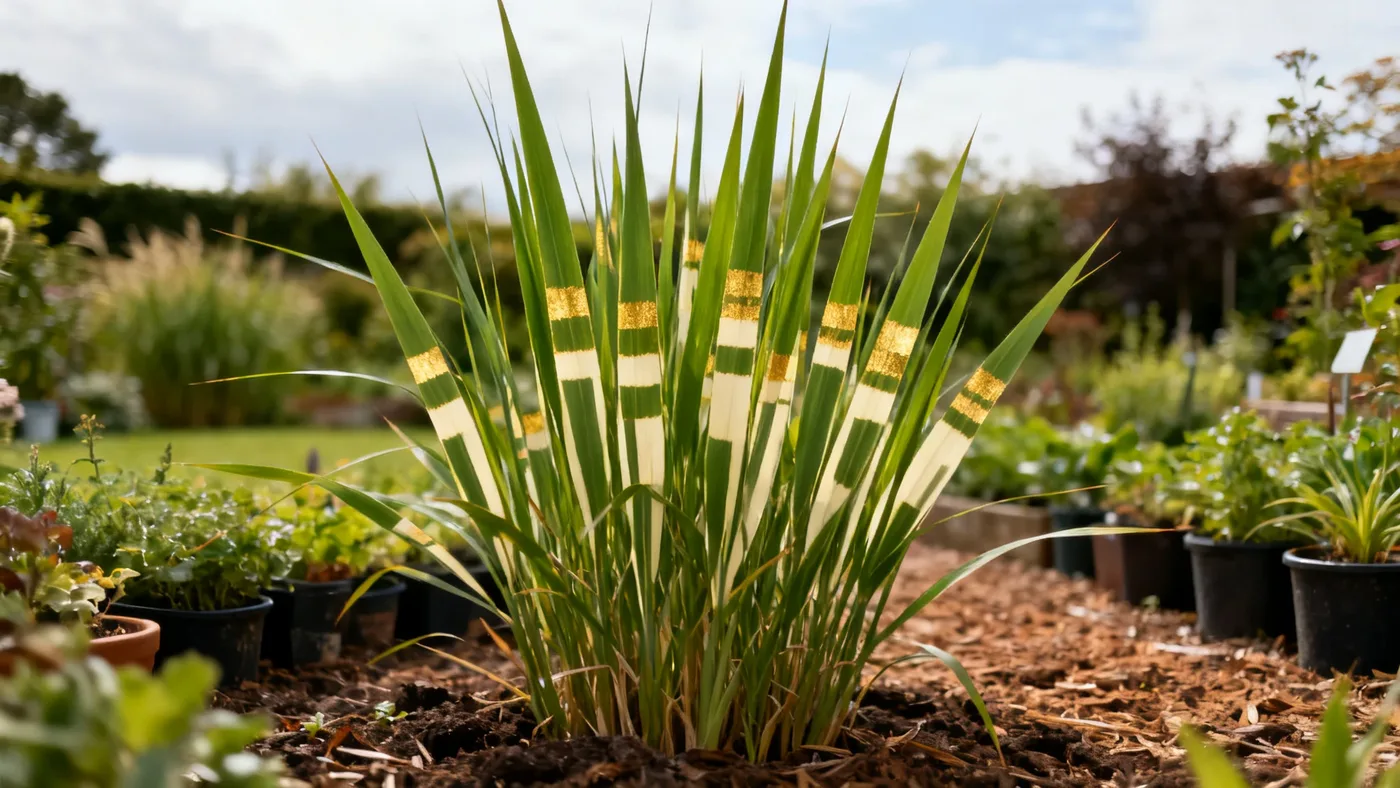
Porcupine Grass (Miscanthus sinensis 'Strictus') is a hardy ornamental grass with distinctive horizontal gold bands running across its stiff, upright blades. While generally resilient, this plant isn't immune to problems. We've compiled a practical guide to the 9 most common issues we see in gardens and landscapes, along with straightforward solutions to keep your grass thriving.
1. Flopping or Splitting Open in the Center
The most frequent complaint we hear is stems flopping outward or the clump splitting open down the middle. This usually happens after heavy rain, during humid summers, or when the plant is growing in shade or overly rich soil. Over-fertilization is a common culprit; too much nitrogen pushes soft, weak growth that can't support the plant's own weight.
To prevent flopping, apply only a single balanced fertilizer (10-10-10) in spring. Avoid tempting feeds or compost-heavy amendments. If your site gets less than 6 hours of direct sun daily, porcupine grass will struggle to stay upright, as it needs full sun for best structure. Plant in average, well-drained soil, not heavily amended beds.
If flopping has already started, provide a sturdy support ring made from bamboo stakes and soft twine arranged in a loose circle around the clump. Do not cut back the stems until late winter; cutting weakens the plant's ability to self-support. For next season, reassess sunlight and fertilizer use.
2. Rust Disease
Miscanthus rust is a fungal disease that appears as rusty-red or orange pustules on foliage, usually starting in mid to late summer. Affected leaves yellow and may drop prematurely. Rust spreads in warm, humid conditions with poor air circulation, particularly in crowded plantings or when foliage stays wet.
At first sign of rust, increase air flow around the plant by pruning nearby vegetation or thinning the clump if it's become overly dense. Avoid overhead watering; instead, water at the soil line in early morning so foliage dries quickly. Infected leaves do not recover, but you can remove severely spotted stems by cutting them to the base.
Fungicide applications are rarely necessary on established plants. Most rust on porcupine grass is cosmetic and does not kill the plant. Because we cut the entire clump back to 4-6 inches above ground in late winter or early spring anyway, rust damage is completely cleared each year. Monitor for rust recurrence in subsequent seasons, especially in humid climates.
3. Leaf Spot and Blight
Leaf spots and blights are fungal or bacterial infections that cause brown, necrotic lesions on blades, often with concentric rings or halos. Unlike rust, leaf spot can affect the entire leaf and cause broader decline if conditions remain wet and crowded. These diseases thrive in humid regions with high nighttime moisture and poor air circulation.
Space porcupine grass at least 3 to 4 feet apart, as recommended in the porcupine grass care guide, to ensure adequate air flow. Avoid watering late in the day or overhead. Remove affected leaves manually if spots are localized, or cut back entire stems that show extensive damage. Do not compost diseased foliage; dispose of it in the trash.
Healthy plants recovering from one season typically resist leaf spot the next. The annual dormancy period (cutting back in late winter) clears all infected tissue. If leaf spot is severe every year on your site, you may have a persistent humidity or drainage issue that needs addressing; consider raised beds or improved drainage.
4. Aphids
Aphids are small, soft-bodied insects that cluster on tender new growth and shoot stems. You may notice them directly, or spot a sticky, clear residue (honeydew) they leave behind, which can promote sooty mold. A severe infestation can stunt growth, but porcupine grass typically tolerates light aphid pressure without serious harm.
For light infestations, spray the plant thoroughly with a strong stream of water from the hose to knock aphids off the stems. Most will not return to the same plant. For heavier infestations, apply an insecticidal soap or neem oil spray in the early morning or late evening, following label directions. Repeat applications may be needed every 7 to 10 days if aphids persist.
Encouraging beneficial insects such as ladybugs and lacewings naturally controls aphid populations. Avoid broad-spectrum insecticides that kill these predators. Aphids on porcupine grass are occasional and rarely cause lasting damage to mature plants.
5. Mealybugs
Mealybugs are waxy-white, cottony insects that hide in leaf joints and at the base of stems. They suck plant sap and weaken growth, though they are less common on porcupine grass than on tender perennials. You'll spot them by their distinctive white, mealy coating that looks like dust or mold.
Early detection is key. Inspect the plant regularly, especially the crown and lower stems, where mealybugs congregate. For small populations, dab them with a cotton swab dipped in rubbing alcohol, or spray with neem oil. For larger infestations, spray the entire plant with insecticidal soap, ensuring good coverage of the crown and stem bases where mealybugs hide.
Mealybugs are typically an issue in stressed plants or overly dense plantings. Keep your porcupine grass well-spaced, watered consistently, and divided every 3 to 5 years to maintain vigorous growth that resists pests.
6. Scale Insects
Scale insects are armored pests that attach to stems and foliage, feeding on plant juices. They appear as small, hard bumps on the stem (brown, tan, or white depending on the species) and are less mobile than aphids or mealybugs. Scale on ornamental grasses is rare, but it can occur in stressed or overly crowded plantings.
Prune out heavily infested stems at the base and dispose of them. For light scale populations, scrub stems with a soft brush and water, or apply horticultural oil in late fall or early spring while the plant is dormant. Scale insects are difficult to treat once established, so remove infested stems promptly to prevent spread.
Scale rarely causes significant harm to porcupine grass, especially considering the plant's annual renewal via late-winter cutting. Most populations are minor and do not warrant aggressive treatment.
7. Center Dieback and Hollow Clumps
After 3 to 5 years, the center of a mature porcupine grass clump sometimes dies out, leaving a hollow ring of healthy stems around the perimeter. This is a natural aging process, especially in dense clumps or plants grown in poor drainage or compacted soil. The outer growth looks fine while the core deteriorates.
The remedy is division. In early spring, just as new growth emerges, dig up the entire clump, shake away soil, and inspect the crown. Cut away any rotted or dead tissue with a sharp, clean knife. Divide the living outer sections into smaller clumps, each with its own growing points, and replant them in fresh soil. Each division will establish as a new, vigorous clump.
Division every 3 to 5 years rejuvenates porcupine grass and prevents hollow-center problems. It's an excellent way to propagate the plant and maintain dense, full clumps rather than waiting for decline.
8. Poor Variegation and Faded Stripes
Porcupine Grass gets its name from the horizontal gold-to-cream bands that run across each blade. In ideal conditions (full sun, 6 or more hours daily), these stripes are vibrant and distinctive. But when grown in part shade or insufficient light, the variegation becomes muted or nearly invisible, and foliage looks plain green.
Variegation depends on sunlight. If your striped grass has lost its color, check the hours of direct sun the plant receives. If it's getting fewer than 6 hours of unobstructed sunlight daily, relocate it to a sunnier spot, or thin overhead trees and shrubs to increase light penetration. Even a small increase in direct sunlight can restore the banding.
Poor light also contributes to weak, floppy stems, so improving sun exposure solves multiple problems at once. If relocation is not possible, accept that your grass will be more modest in appearance, or consider a different cultivar better suited to shade.
9. Uncontrolled Self-Seeding
Porcupine Grass produces abundant seed heads in late summer through fall (roughly August to October), which mature into silvery-white plumes. In warm, humid climates, particularly near woodlands or wild areas, seeds can drop and germinate into unwanted seedlings. In some regions, the parent species Miscanthus sinensis is classified as invasive or a species of concern due to this self-seeding habit.
Before planting, check your state and local invasive plant lists to confirm that porcupine grass is permitted in your area, especially if you are near natural areas, waterways, or managed habitats. Many eastern and southeastern states have restrictions or recommendations against Miscanthus sinensis plantings.
If self-seeding is a concern in your region, deadhead the plant before seed heads fully mature (late August to September), removing the tan or silvery plumes before they open. Do not leave seed heads standing through winter if you live in a warm, humid climate with nearby wild spaces. Cut back the entire plant to 4-6 inches above ground in late winter as usual, but dispose of seed heads in a sealed trash bag, not in a compost pile.
Quick Reference: Porcupine Grass Problem Solver
| Problem | Symptoms | Primary Cause | Quick Fix |
|---|---|---|---|
| Flopping/Splitting | Stems fall outward; clump opens in center | Rich soil, shade, heavy rain | Add support ring; reduce fertilizer; increase light |
| Rust Disease | Rusty-red pustules on leaves; yellowing | Humid air; poor circulation | Thin crowded stems; water at soil line; annual cutback clears it |
| Leaf Spot/Blight | Brown lesions with halos; leaf death | Wet foliage; crowding | Space 3-4 ft apart; improve drainage; avoid overhead water |
| Aphids | Small soft insects on new growth; sticky residue | Light pest pressure | Spray with water or insecticidal soap |
| Mealybugs | White, cottony clusters on stems and leaf joints | Stressed plants; crowding | Remove with alcohol swabs; spray with neem oil |
| Scale Insects | Hard, bump-like armored insects on stems | Stress; dense planting | Prune infested stems; apply horticultural oil |
| Center Dieback | Hollow clump; dead core, live outer ring | Age (3-5 years); poor drainage | Divide clump in early spring; replant divisions |
| Faded Variegation | Gold stripes vanish; foliage looks plain green | Insufficient sunlight (less than 6 hours daily) | Relocate to sunnier spot; thin overhead trees |
| Self-Seeding | Unwanted seedlings; plants spread to wild areas | Seed drop in warm climates; invasive risk | Check local invasive lists; deadhead plumes; secure disposal |