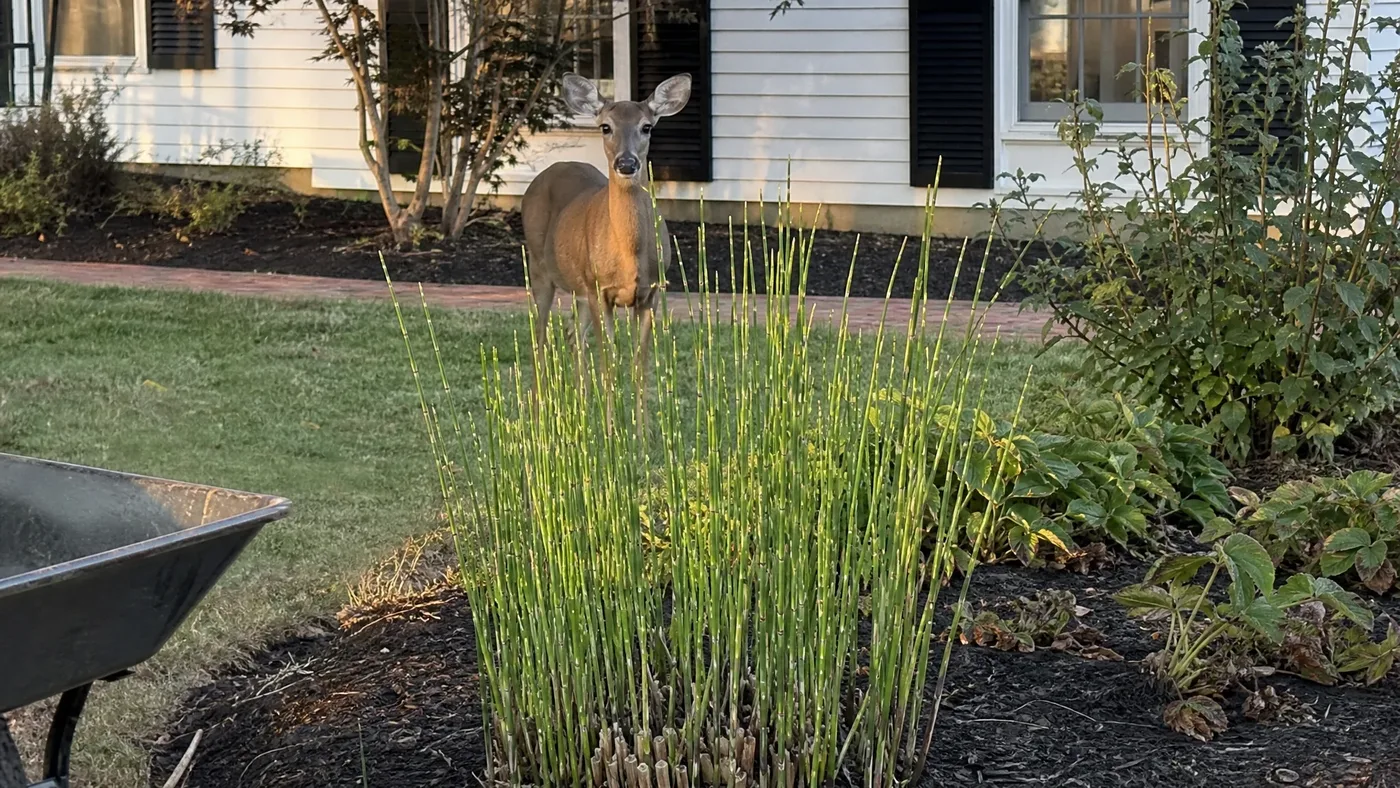
Is Porcupine Grass Deer Resistant? What You Need to Know
Porcupine Grass is tender for only a few weeks a year. In early spring the new shoots are short, soft and easy to bite, and during that window a hungry animal can reach them as easily as any other perennial. Once the blades stretch and harden, the picture changes.
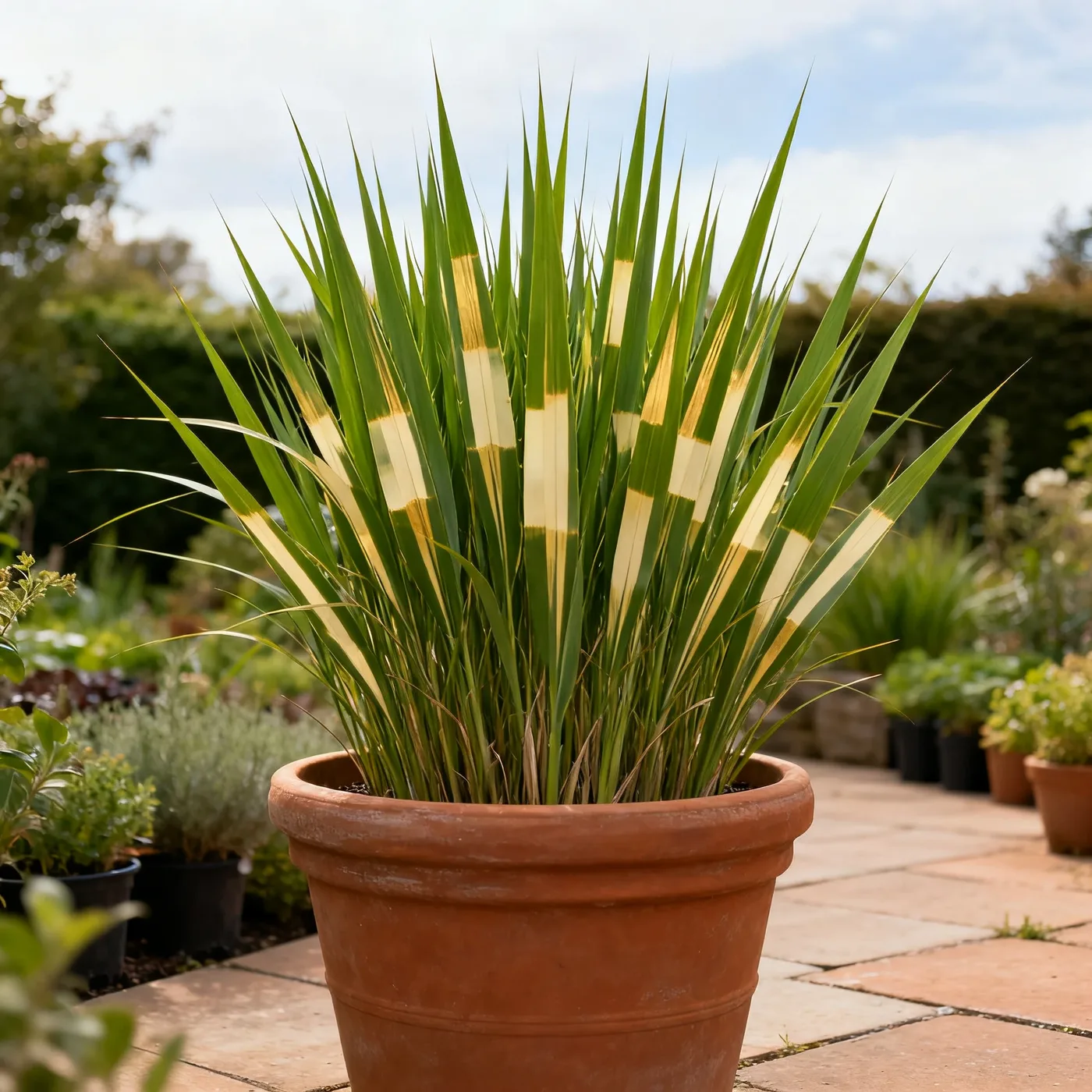
That short window is why the deer question has no one-word answer. Resistant is the right label, but it is not a guarantee, and the details decide whether you plant with confidence or pay for a fence you do not need.
In this article, we'll go through six common beliefs about deer, rabbits and voles, test each against extension sources, and settle them one by one. You will see when to relax and when to act.
Does Porcupine Grass Really Repel Every Deer?
Not every deer, but nearly all of them, nearly all the time. Extension sources agree on the general picture. The University of Minnesota says that most North American wildlife, including deer, will not eat Miscanthus, and that it has little value as food. NC State lists the species as deer resistant. Wisconsin Extension names Miscanthus among the ornamental grasses deer do not favor.
Notice the wording. "Most," "not favored" and "resistant" are all hedges. None of these sources says never. Resistant means deer rank the plant low on the menu, not that they cannot or will not eat it.
What the Label Means in Practice
A deer-resistant plant gets passed over when better food is available. Porcupine Grass is a species-level rating applied to a cultivar, and 'Strictus' is one of the stiffest, most upright Miscanthus we grow. That should only help.
One of the most common questions we get is whether deer will leave it alone. Our answer is yes in almost every garden, with the exceptions covered below.
Our Verdict
Mostly true. Plant it where deer visit and expect it to be ignored in most years. Do not call it deer proof.
Silica-Edged Blades Protect Porcupine Grass Completely
The blades are a large part of the reason deer pass it by. Mature 'Strictus' foliage is narrow, upright and razor-edged. It stands about 48 to 60 inches tall in foliage, and the plumes carry it to over six feet, reaching nine feet in flower. A tall, stiff, abrasive clump is not an appealing mouthful.
But the protection depends on maturity. Toughness builds as the blades lengthen and the edges sharpen. A shoot a few inches tall has none of that armor, which is the gap the next section covers.
Height also does not matter much to a deer. A grazing animal reaches into a clump from any side, so the edge is a deterrent and not a barrier. Think of it as a strong preference signal, not a wall.
Two practical points follow:
- A mature clump that gets nibbled is usually a one-off taste test. The animal rarely comes back to a plant that cuts its mouth.
- Gloves matter for you too. The same edges that deter deer cut hands during cleanup, so wear long sleeves when you cut the clump back.
Verdict: partly true. The blades protect well once mature, but not completely and not at every stage.
Young Spring Shoots Are Safe From Rabbits
This belief is false, and it is the one that costs people the most. New shoots emerge soft, short and without the sharp edge. For a few weeks they are the one tender stage in the plant's year, and rabbits and deer can nip them. The damage is usually small.
Timing makes it worse. Late winter cutback leaves bare ground, and bare ground makes the first green points easy to find. NC State advises that foliage should be cut down in late winter or early spring, before or just as new blades begin to appear. Do that on schedule and the new flush has a clean start. Our guide to cutting back Porcupine Grass each year covers the steps.
In our rows, a nipped shoot grows back from the crown and the clump catches up within the season. A clipped tip is a cosmetic problem on an established plant.
Who Is at Risk
The real risk is a newly planted division or small container plant. It has fewer shoots, so losing a few matters more. For the first spring after planting, check the clump every few days. If you see clipped tips, protect it until the blades have lengthened. See our planting guide for what to expect in those first weeks.
Verdict: false. Shoots are vulnerable for a short window, and only that window needs attention.
Voles Leave Porcupine Grass Crowns Alone
This one is also false, and it is the belief that surprises people most. Deer and rabbits work above ground. Voles work at and below it, and the sources on deer say nothing about them. Treat vole behavior as a separate question from browsing resistance.
A dense, upright clump makes a good shelter. The dead foliage left standing through winter gives small animals cover from weather and predators, and the crown sits right under that cover. Voles that move in may gnaw at roots and crown tissue out of sight.
The warning sign comes in spring. A clump that is slow to emerge, or that rocks loose in the ground when you tug a few stems, has probably lost roots. The damage is usually found after it is done.
What We Tell Customers
Keep the ground around the crown clear of heavy mulch and debris, and cut the old foliage back on schedule so the shelter disappears. Our winter care guide explains why we leave the clump standing in winter and when to cut it. If voles are a known problem in your yard, ask your local extension office about control options. We do not give specific control advice for them here.
Verdict: false. The blades protect nothing underground.
Hungry Winters Change What Deer Will Eat
Resistance is a ranking, and a ranking shifts when the menu shrinks. Deer eat what is available. In a year with poor acorn or browse supply, or in an area where deer numbers are high, plants near the bottom of the list move up. Deep, lasting snow cover has a similar effect because it buries ground-level food and pushes animals toward whatever stays exposed.
'Strictus' is one of the plants that stays exposed. Its stems stand up above snow, and the dried foliage persists into winter. The same standing stems that look good in January are the ones a desperate animal can reach.
Three conditions raise the odds of browsing:
- High deer density, where many animals share limited food.
- Long snow cover that hides other forage.
- A garden with little else to eat, so the grass is the main option.
Even then, a winter nibble on dormant stems rarely hurts, because the plant is cut back in late winter anyway. The more serious risk is trampling or a damaged crown. Check the clump in early spring and trim any ragged stems.
Verdict: false that resistance holds in any year. It holds in most years, and conditions in your area can change it. Your local extension service is the best guide to deer pressure where you live.
Are Repellent Sprays Needed on Porcupine Grass?
In most gardens, no. A mature clump does not need a spray program, and spraying a plant deer already avoid is effort with little return. If your pressure is average, plant it and leave it alone.
There are exceptions. Sprays and fencing earn their place in a few specific cases:
- A first-spring planting, when shoots are short and a few weeks of protection can save most of the flush.
- A property with a very high deer population or hard winters, where resistant plants are routinely tested.
- A mixed bed where more attractive plants draw deer close enough to sample everything around them.
Fencing or Spraying
For the short spring window, a temporary cage or a strip of netting is cheaper and more reliable than repeated spraying, and it also stops rabbits. Take it down once the blades are long and hardened. Follow label directions on any spray and reapply as directed, since weather washes it off.
The plant is also easy to place for natural protection. Our landscape uses guide shows how to use its height as a screen for more tender neighbors.
Verdict: partly true. Sprays are rarely needed, but a short spell of protection is justified for the youngest plants.
What Porcupine Grass Browsing Records Actually Show
Here is how each belief held up. The sources support the general rating, and the exceptions come from how animals behave at specific stages and in specific conditions.
| Belief | Verdict | Reason |
|---|---|---|
| Deer avoid it entirely | Mostly true | Rated resistant, not proof |
| Silica edges protect it fully | Partly true | Works once blades mature |
| Young shoots are safe from rabbits | False | Tender for a few weeks |
| Voles ignore the crown | False | Dense clumps shelter them |
| Resistance holds every year | False | Scarcity and snow shift it |
| Sprays are needed | Partly true | Only for new plantings |
The pattern is clear. Above ground, the mature plant is reliable. Trouble comes at the edges: spring shoots, winter shelter and unusual pressure. Our problems guide covers the other issues you may meet.
One more point belongs in the record. The species is also called invasive in some regions, and seed can spread by wind and animals. Look for less fertile cultivars if that concerns you, and check local rules.
Porcupine Grass and Deer, Settled
Of the six beliefs, one held up as stated, two held in part and three failed. Porcupine Grass is a safe bet where deer visit, with a short list of exceptions you can manage in a few weeks of attention each year.
In the first spring after planting, watch the new shoots every few days and cover them if you see clipped tips.
Porcupine Grass
Nursery-grown Porcupine Grass in sizes from Quart, shipped to your door.
From $19.99
Shop Now →Deer tend to pass over a sturdy, upright clump, and that is the habit we aim for by giving our Porcupine Grass full sun and fertile loam on our farms. Growing and selling top-quality grasses is what our small business does, all from land of our own. When you are ready to plant and want to put this guide to work, take a look at what we have.