Porcupine Grass Sun Requirements: Full Sun vs Part Shade
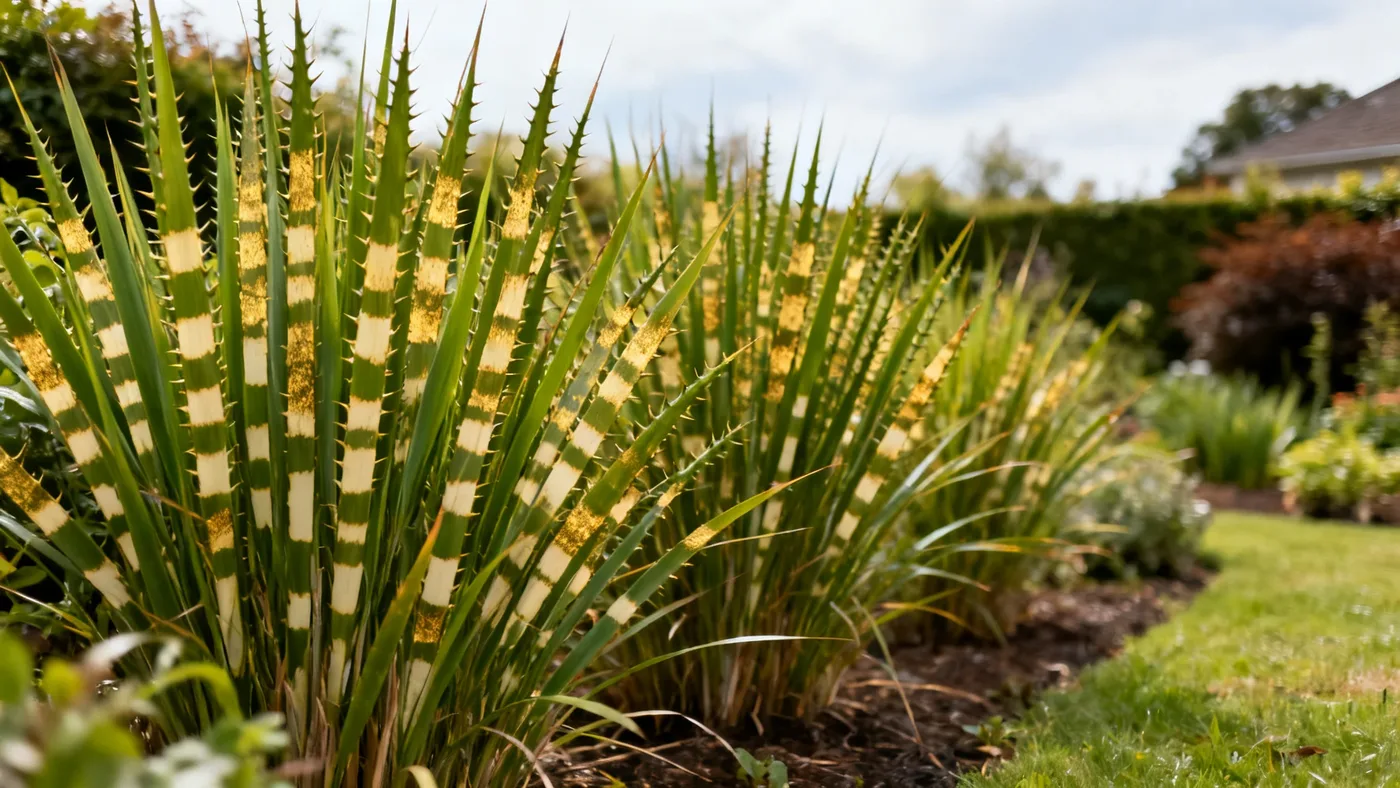
Porcupine Grass (Miscanthus sinensis 'Strictus') is a sun-lover, but it's not an all-or-nothing plant. Whether you have full sun or lighter shade, you can grow this ornamental grass. The real question is how much of its best traits you want to see: the brilliant horizontal gold bands on the foliage, the stiff upright stems, and reliable flowering. This guide walks you through assessing your site, planting accordingly, and adjusting care based on the light your garden actually offers.
Understanding Porcupine Grass Light Needs
Porcupine Grass performs best in full sun. That means at least 6 to 8 hours of direct sunlight daily, ideally more. In full sun, the foliage shows the most vivid horizontal striping (gold and cream bands across the blades), the clump stays dense and upright, and flowering is reliable and abundant. The distinctive stiff, spiky habit that gives this grass its name depends on plenty of light to develop fully.
That said, the plant is adaptable. It tolerates light or part shade, roughly 3 to 6 hours of direct sun per day. But there's a trade-off: in part shade, the gold bands on the foliage become less distinct, the stems tend to lean outward and may flop over (especially after heavy rain), and flowering can be less prolific. Many gardeners find this acceptable, especially in warmer zones where afternoon shade can reduce heat stress. Just know what you're getting.
Step 1: Assess Your Site's Sun Exposure
Before planting, spend a few days observing the spot where you want Porcupine Grass to go.
- Track the sun path. Walk through your garden at different times of day (morning, noon, late afternoon). Note which spots get direct sunlight and for how long. The sun's angle changes with the seasons, so observe on a typical growing-season day (spring or early summer).
- Check for afternoon shade. If your site receives morning sun but afternoon shade from nearby trees or structures, note the time the shade moves in. Porcupine Grass can tolerate afternoon shade in hot climates, but morning sun is crucial for best appearance.
- Measure shadow patterns. Use a simple rule: if you can see your shadow crisply where you're standing, that spot gets full sun. If your shadow is dim or invisible, that's part shade.
- Consider your zone. In USDA zones 5 to 7, full sun is important for upright growth and winter survival. In zones 8 to 9, a little afternoon shade can actually be beneficial, reducing heat and water stress without compromising the plant too much.
Once you've assessed your site, decide: are you aiming for Porcupine Grass at its showiest (full sun), or are you prioritizing ease and shade tolerance?
Step 2: Prepare the Planting Location
Porcupine Grass is adaptable to most soils. Prepare your site regardless of light level.
- Loosen the soil. Dig a hole about as deep and 1.5 times as wide as the root ball of your nursery-grown plant (typically sold in quart, #1, or #3 containers). Loosen the surrounding soil to 6 to 8 inches deep to encourage roots to spread.
- Check drainage. This grass prefers moist, well-drained soil but adapts to clay. If water pools on the site after rain, consider mounding or adding compost to improve drainage. Porcupine Grass can tolerate short dry spells once established, so standing water is the main concern.
- Amend if needed. If your soil is very compacted or heavy clay, work in 2 to 3 inches of compost or aged manure to loosen it. Porcupine Grass isn't a heavy feeder and doesn't demand rich soil, so don't overdo it. Over-rich soil actually encourages flopping, especially in shade.
- Clear competing plants. Remove weeds, grass, and debris from at least a 2-foot radius around the planting hole. This gives your new Porcupine Grass time to establish without competition.
Step 3: Plant in Full Sun for Best Results
If your site gets 6 or more hours of direct sun daily, you're set up for Porcupine Grass at its finest.
- Plant in spring after the last frost. This timing lets the grass establish roots through the growing season. In milder climates (zone 7 and warmer), early fall planting also works if it gives the plant at least 4 to 6 weeks before the first frost.
- Remove the plant from its container and gently loosen the root ball with your fingers. If roots are tightly wound, score the sides lightly with a knife to encourage outward growth.
- Set the plant so the crown (where leaves meet roots) sits level with the soil surface. Don't bury it deeper. Planting too deep invites rot and stunts growth.
- Backfill the hole with the soil you removed, pressing gently to eliminate air pockets. Water deeply to settle the soil and eliminate air gaps around the roots.
- Space plants 3 to 4 feet apart if planting multiple clumps or creating a hedge. A mature Porcupine Grass clump spreads 3 to 4 feet wide, so spacing depends on how quickly you want a full effect. Tighter spacing (3 feet) fills faster; wider spacing (4 feet) gives the grass room to show its shape.
- Water regularly for the first 4 to 6 weeks. In full sun, the soil dries faster, so check moisture 2 to 3 inches deep. Keep it consistently moist but not waterlogged. Once the grass is visibly growing (you'll see new shoots), it's establishing roots.
In full sun, expect Porcupine Grass to gain roughly 1 to 2 feet of height per year and reach its mature form (5 to 7 feet including flower plumes) in the 2nd to 3rd season. The foliage bands will intensify over the first two seasons as the plant matures.
Step 4: Plant in Part Shade with Adjusted Expectations
If your site gets 3 to 6 hours of direct sun, Porcupine Grass will survive and grow, but with differences worth acknowledging.
- Follow steps 1 and 2 above (site assessment and soil prep) without changes.
- Plant in spring (same timing as full-sun planting). Shade plants need the full growing season to establish.
- Space plants closer together, at 3 feet apart. Shade stress can make clumps thinner, so tighter spacing compensates visually.
- Water more consistently in part shade. Shade slows evaporation, so the soil stays wetter longer. Check soil moisture before watering; the plant can tolerate moist (not wet) conditions better than in hot, sunny spots.
- Avoid heavy fertilizer. Part-shade plants are already prone to soft, floppy growth. A single balanced (10-10-10) fertilizer application in spring is plenty. Skip additional feeding.
- Provide a support stake if stems start to flop significantly (once the grass reaches 3 to 4 feet tall, if needed). A 1-inch bamboo stake driven into the clump and tied loosely with soft twine can help keep stems upright through wind or rain.
In part shade, Porcupine Grass may reach 4 to 5 feet (shorter than in full sun) and the foliage stripes will be visible but more muted greenish-gold rather than bright yellow-gold. Flowering typically still occurs, but it may be less abundant.
Step 5: Monitor and Adjust Through the Growing Season
Once planted, your job is observation.
- Watch the foliage color. If the stripes are pale or barely visible in your full sun spot, the plant may not be getting enough light. This is common if nearby trees have grown taller or if a structure casts afternoon shadow you didn't anticipate. Make a note for next year (consider relocating in spring, if needed).
- Check for flopping, especially after rain. If stems lean outward or split open in the center, light may be the culprit (shade stress) or soil may be too rich. If you fertilized heavily, cut back next year. If it's shade-related, you have two choices: accept the lax habit, or reduce plant density by thinning out some stems in early summer.
- Water consistently through the first growing season. Once established (by late summer of year one), Porcupine Grass tolerates short dry spells. Don't let it wilt severely, but ease off frequent watering once roots are deep. Established plants in full sun need water mainly during drought; part-shade plants need more consistent moisture.
- Watch flowering timing. Porcupine Grass flowers in late summer into fall (roughly August through October, depending on zone and weather). Flowers emerge as coppery-pink plumes that mature to silvery-white. In part shade, flowering may start a bit later and persist fewer weeks.
Common Mistakes to Avoid
- Overestimating your sun. Many gardeners think they have full sun when they actually have 4 to 5 hours. Spend a full week observing before deciding. Part-shade planting is fine; just go in with realistic expectations for appearance.
- Planting in deep shade. Porcupine Grass needs at least 3 to 4 hours of direct sun to survive long-term. In dense shade (under thick tree canopy), it will weaken and eventually decline. Choose a brighter spot or accept that this isn't the right plant for that location.
- Over-fertilizing shade plants. Rich soil plus part shade equals floppy, weak growth. Resist the urge to help a shade-stressed plant with extra food. Let the sun be the limiting factor; feeding won't fix it.
- Assuming flopping is normal. In full sun with well-drained, not-too-rich soil, Porcupine Grass stands upright. If yours is flopping, it's usually light, moisture, or fertilizer related. Adjust one variable at a time and observe.
- Ignoring snow and wind damage. Even in full sun, heavy, wet snow can push stems outward. This usually straightens out as the plant grows, but if your area gets frequent early snow, choose a spot sheltered from north wind.
Expected Results and Timeline
Here's what you can realistically expect based on your light conditions.
| Light Condition | Foliage Appearance | Stem Habit | Mature Height (Year 2-3) | Flowering |
|---|---|---|---|---|
| Full Sun (6+ hours) | Bright gold-and-green horizontal stripes, very vivid | Stiff, upright, compact clump | 5-7 ft including plumes | Abundant, August-October |
| Part Shade (3-6 hours) | Greenish-gold stripes, less distinct, foliage lighter | Stems lean outward, may flop after rain | 4-5 ft, more open growth | Moderate, later start, shorter season |
| Light Shade (<3 hours) | Mostly green, minimal striping | Very lax, frequent flopping | May not reach typical size; plant may weaken over time | Sparse or absent |
Next Steps: Seasonal Care
Once Porcupine Grass is established, care is minimal. For full details on year-round maintenance, watering, pruning, and troubleshooting, see our complete growing guide. A few key points:
- Cut all foliage back to 4 to 6 inches above ground in late winter/early spring before new shoots emerge. This preserves winter interest (the dried tan plumes and foliage add texture through the colder months).
- A single balanced fertilizer application (10-10-10) in spring is sufficient. Over-fertilizing causes floppy growth, especially in part shade.
- Once established, Porcupine Grass tolerates short dry spells but performs best with consistent moisture. Water during prolonged drought; rainfall is usually enough otherwise.
Quick Reference: Porcupine Grass Sun Requirements
| Task | Full Sun Strategy | Part Shade Strategy |
|---|---|---|
| Sun needed | 6+ hours direct sun daily | 3-6 hours direct sun daily |
| Best foliage appearance | Vivid gold-and-green stripes | Muted greenish-gold, less visible striping |
| Growth habit | Stiff, upright clump | Lax, may flop in rain/wind |
| Spacing | 3-4 ft apart | 3 ft apart (tighter for visual fullness) |
| Water | Regular first 4-6 weeks; tolerates dry once established | Consistent moisture; less evaporation in shade |
| Fertilizer | One 10-10-10 application in spring | One 10-10-10 application in spring; skip extras |
| Flowering | Abundant, August-October | Moderate, later to start, shorter season |
| Expected height (year 2-3) | 5-7 ft including plumes | 4-5 ft, more open |