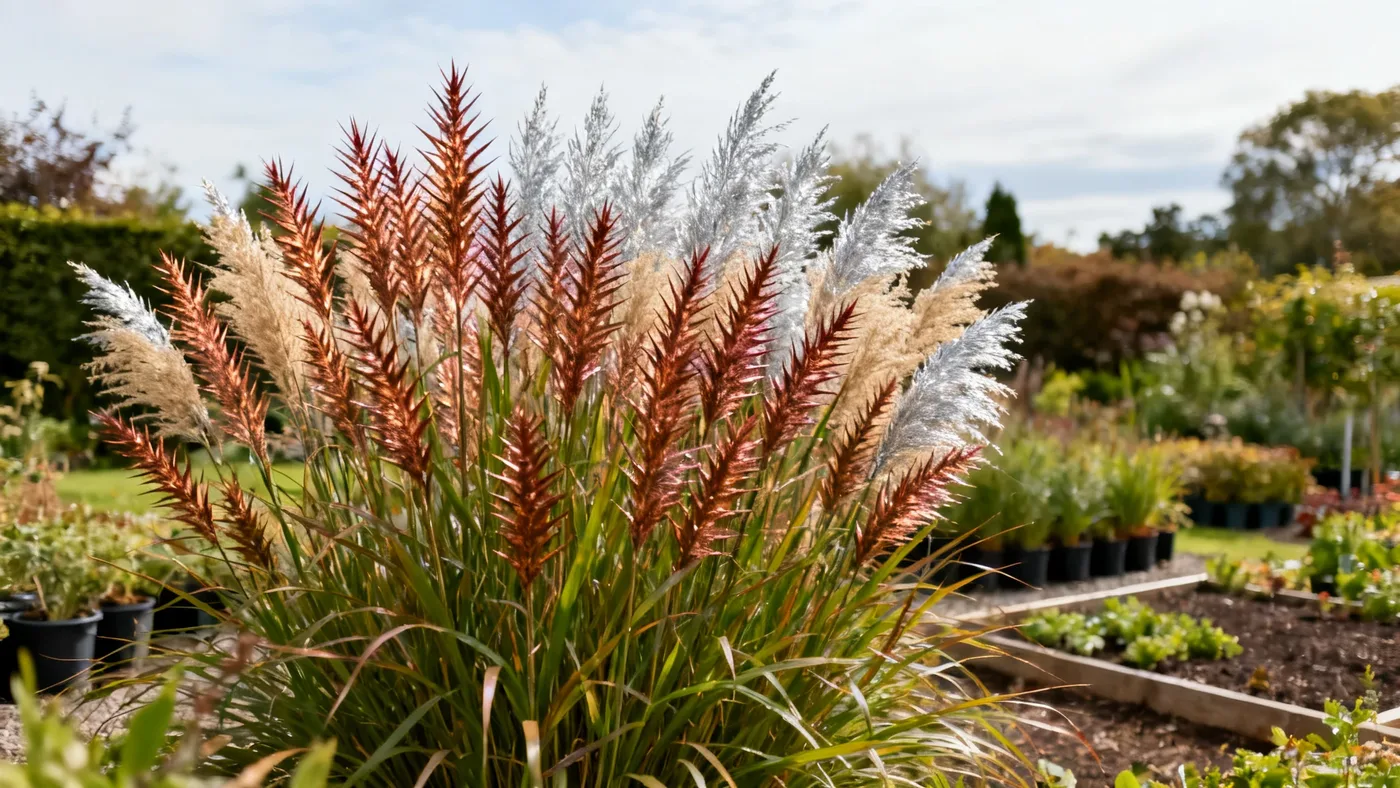
Porcupine Grass Bloom Time: Plume Color and How Long It Lasts
Right now, in late September, is when Porcupine Grass reaches its moment. If you've been waiting since spring for your grass to earn its place in the garden, this is it: the plumes are unfurling, and the shift from green to copper to silver unfolds over the next several weeks. This is also the time when home gardeners most often ask whether they're looking at flowers on their young plant, whether the display will last through winter, and exactly when to expect the show to peak.
Porcupine Grass (Miscanthus sinensis 'Strictus') blooms reliably every year, but the exact timing depends on where you garden. Understanding your zone's bloom window and what to expect from the plumes means you can plan your garden design around this peak moment and avoid the common mistake of cutting back too early.
When Porcupine Grass Blooms: A Zone-by-Zone Guide
Porcupine Grass blooms in late summer into fall, roughly August through October, though this timing shifts with your USDA zone and the year's weather. In zone 5, don't expect plumes much before September. By zone 7 and warmer, blooms often emerge in August. Zone 9 can see flowers as early as late July in some years.
The grass doesn't rush. Once the first plume emerges from the foliage, it takes several weeks for the entire clump to fill in with blooms. Early arrivals at the top of the clump may already be fading to silver while plumes at the base are still opening. This staggered arrival is part of the appeal: the show extends from month to month rather than peaking and fading in a week.
Young plants (those in their first or second season) often produce few or no flowers. Porcupine Grass typically reaches full flowering size after 2 to 3 growing seasons from a quart-size nursery plant. If your plant is under 3 or 4 feet tall, patience is all that's required. Next year, you'll see more plumes.
The Plume Color Show: From Copper to Silver
One of the most satisfying aspects of Porcupine Grass bloom is the color progression. The plumes don't arrive full-formed and silver. Instead, they emerge coppery-pink to reddish, then gradually mature to silvery-white or tan over the course of weeks.
That early copper-pink stage lasts about 2 to 3 weeks. If you're watching closely, you'll see the color shift week by week as the plumes open fully and the sun bleaches them lighter. The reddish stage bridges the gap between that initial copper flush and the pale silver-tan that the plumes settle into by November. By late fall, once the plumes have weathered several frost cycles, they take on a more muted tan or beige tone.
This color progression isn't just a passive fading. The plumes are still standing tall, still catching light and moving with the wind. They're adding texture to the garden all through fall, even as the surrounding foliage fades to tan and gold.
Full sun is essential for the best plume color and flowering. Porcupine Grass in part shade will still flower, but the plumes are often fewer and the color is less vivid. The foliage bands also read as less distinct without full sun, so if you're placing this plant with the intention of a strong visual show, choose a location that gets at least 6 to 8 hours of direct sun daily.
How Long Does the Bloom Last?
The plumes persist from their emergence through the entire winter. In zone 5, that's roughly August through April or May. In zone 9, the timeline stretches even longer. The dried plumes add texture and winter interest to the garden, which is why cutting back before spring is important: the grass earns its keep through the cold months.
The individual plumes don't "bloom" in the same way a flower does. Once they've opened and matured to that silvery-white stage, they remain standing and relatively unchanged until winter weather breaks them down or you cut them back. Wind and heavy snow will eventually lodge the tallest plumes, especially in zone 5 where late-season snowfall is common, but the display holds longer than most gardeners expect.
The full bloom window for a single clump, from first plume to last plume still standing, typically spans 6 to 8 months. That's far longer than a typical perennial flower. It's one reason Porcupine Grass is such a reliable garden workhorse.
Maximizing Your Bloom Display
Several practices help ensure you get the most from your Porcupine Grass bloom:
- Wait to cut back in spring. Do not prune in fall. The dried plumes and foliage provide winter interest and shelter for birds and small wildlife. Cut all foliage back to 4 to 6 inches above the ground in late winter or early spring, just as new growth begins to emerge. This timing gives you months of garden texture and protects the clump over winter.
- Plant in full sun. Full sun produces the most plumes, the best color, and the stiffest, most upright habit. In partial shade, the grass may flop or split open, especially after heavy rain.
- Avoid overfertilizing. Porcupine Grass is a light feeder. A single balanced application (such as 10-10-10) in spring is sufficient. Over-fertilizing causes lush, floppy growth that undermines the stiff, upright character the plant is known for, and can reduce flowering.
- Water consistently through summer. The grass performs best with consistent moisture, though established plants tolerate short dry spells. Stress from drought can delay bloom or reduce plume production.
Bloom Timing by Zone: What to Expect
Use this framework to anticipate bloom in your garden. Exact timing shifts with weather and spring warmth, so treat these windows as approximate:
| USDA Zone | Approximate Bloom Start | Peak Bloom Window | Plume Persistence Through |
|---|---|---|---|
| 5-6 | Mid-September | October-November | April-May (following spring) |
| 7-8 | Late August-Early September | September-October | May-June (following spring) |
| 9 | Late July-Early August | August-September | June (following spring) |
Keep in mind that the year's spring warmth and summer length influence these windows. A late spring delays bloom. An early frost can trim the display shorter than the table suggests. Weather shifts bloom timing by several weeks in either direction, so use the zone ranges as a starting point, not a guarantee.
Young Plants and the Waiting Game
If you planted a quart-size Porcupine Grass this spring or last year, you may not see flowers yet. The plant gains roughly 1 to 2 feet of height per year until it reaches its mature size of 5 to 7 feet (including plumes). Full clump form and reliable flowering typically arrive in the second or third growing season.
This is not a defect. Young plants invest energy in root establishment and foliage development before they invest in reproduction (flowers and seed). Supporting the plant through that first full year with consistent water and a single spring fertilizer application speeds up the transition to flowering.
Winter Interest and the Timing of Cleanup
The value of leaving Porcupine Grass standing through winter goes beyond aesthetics. The dried plumes catch snow and frost beautifully, creating a sculptural effect that few other perennials offer. Birds use the persistent seed heads and foliage for food and shelter. A late-season snowfall on standing plumes is a garden highlight that vanishes the moment you cut the grass back.
Mark your calendar to cut back in late winter or early spring, typically February through March depending on your zone. Cutting too early means losing weeks of winter display. Cutting too late risks damaging new spring growth. Aim for the week when new shoots first emerge from the base of the clump. At that point, use a sharp hedge trimmer, chainsaw, or scythe to cut all the old foliage to 4 to 6 inches above the ground. Remove the clippings to reduce pest habitat and disease pressure.
Pairing Porcupine Grass with Companion Bloomers
Porcupine Grass peaks as many other perennials fade. Pair it with companions that bloom earlier or overlap with its start time to extend the visual season. Sedum (Autumn Joy), Rudbeckia (Black-eyed Susan), and Aster all flower in late summer and fall, layering blooms against the emerging plumes. This combination creates a landscape that feels full from August straight through November.
For a complete guide to growing and caring for Porcupine Grass year-round, including planting depth, watering strategies, and division timing, read our complete Porcupine Grass care guide.
Quick Bloom Reference
| Aspect | Details |
|---|---|
| Bloom Season | Late summer to fall (August-October, zone dependent) |
| Plume Color Stages | Coppery-pink → reddish → silvery-white → tan (progression over weeks) |
| Peak Display Duration | 6-8 months per clump (emergence through winter/spring cleanup) |
| Height at Bloom | 5-7 feet including plumes (up to 7-8 feet in full bloom) |
| First Bloom Timing | Typically year 2-3 from quart-size plant; younger plants may not flower |
| Sun Requirement for Best Bloom | Full sun (6+ hours daily); part shade reduces plume count and vigor |
| Plume Persistence | Through winter; cut back in late winter/early spring before new growth |
| Color Display Quality | Best in full sun and with moderate, not excessive, fertilizer |