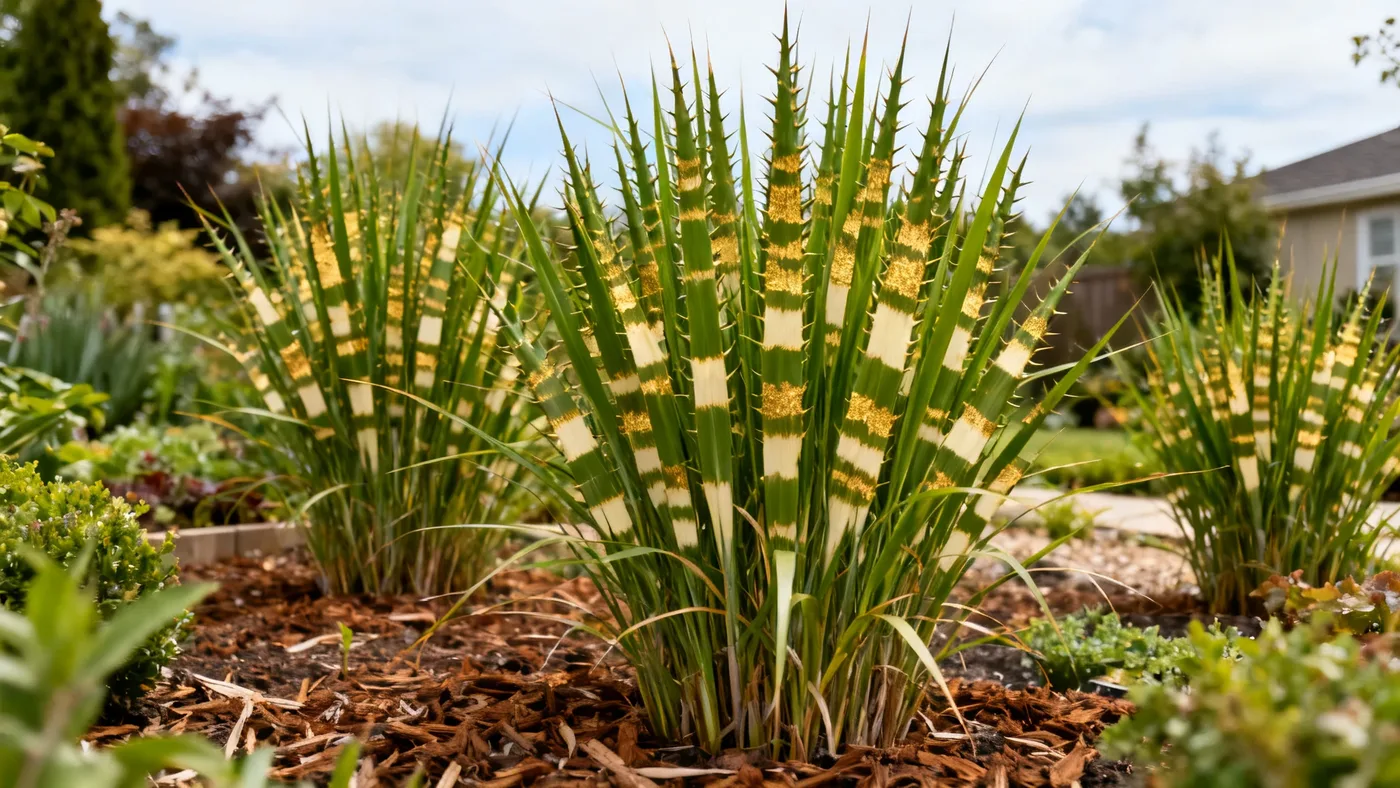
Is Porcupine Grass Drought Tolerant? Heat and Water Needs
Porcupine Grass (Miscanthus sinensis 'Strictus') sits in the middle ground when it comes to drought tolerance. It's more resilient than moisture-loving perennials, yet it's not a true drought-tolerant grass like blue fescue or some sedges. The straight answer: yes, established plants handle short dry spells, but they perform better with consistent water and aren't the best choice for naturally arid or xeric gardens. If your climate includes reliable summer rain or you're willing to water during dry stretches, Porcupine Grass thrives. If prolonged drought is your reality, you may want to consider hardier alternatives.
Understanding Moderate Drought Tolerance
When plant labels claim drought tolerance, it usually means one of three things: the plant handles occasional dry weeks once its roots are deep, it survives drought but may look stressed, or it truly thrives with minimal water. Porcupine Grass falls into the first category, and that distinction matters. A plant with moderate drought tolerance needs time to establish before it can handle dry spells. A newly planted quart-size Porcupine Grass, for instance, cannot weather two weeks without water. That same plant in its second or third season can tolerate a short dry spell (roughly 1 to 2 weeks without rain or irrigation) without permanent damage, though foliage may look dull or leaf edges may brown slightly.
The key word here is "tolerate." The plant survives, but it won't shine. Full vigor, the best upright habit, and the most vibrant horizontal gold banding on the foliage all depend on adequate moisture during the growing season.
Porcupine Grass Water Needs Through the Seasons
Porcupine Grass is a warm-season perennial, which means it wakes up in late spring (after the last frost in your zone) and grows most actively from late spring through early fall. Its water needs shift with this rhythm.
Spring (planting through early summer): A newly planted Porcupine Grass needs consistent moisture as roots establish. This means the soil should stay moist to the touch (not soggy) for the first 4 to 8 weeks. In spring, natural rainfall often covers this. If rain is sparse, water 2 to 3 times per week for about 20 to 30 minutes per session, depending on soil type and sun exposure.
Mid to late summer: Established plants (second season onward) are more forgiving. During this peak growing period, average consistent moisture is ideal. In most climates, regular summer rainfall is enough. If your area enters a dry spell, water deeply once per week if no rain falls for 10 days or more. The goal is to keep soil from drying out entirely.
Fall: As temperatures cool and day length shortens, Porcupine Grass naturally winds down. Water needs drop. Established plants usually need no supplemental water unless an unusual drought coincides with the fall growing slow-down.
Winter: The foliage dies back; no watering is needed. In zones 5 to 7, the dormant plant survives freezing. In warmer zones (8 to 9), some minimal growth may continue, but supplemental water is rarely necessary.
Assessing Your Climate and Site
Before deciding whether Porcupine Grass is right for your garden, evaluate your local climate and the specific site where you want to plant.
Hardiness: Porcupine Grass thrives in USDA zones 5 to 9. If you're in zone 5 or 6, you may experience shorter growing seasons, which can mean your plant reaches a smaller mature size (4 to 5 feet) rather than the full 5 to 7 feet typical in warmer zones. This doesn't indicate a problem; it's adaptation to climate.
Annual rainfall: Check your region's average annual precipitation. Most of the eastern and central United States receive 30 to 50 inches annually. If your area averages 24 inches or less, Porcupine Grass is not ideal. If you receive 30+ inches per year, distributed reasonably through the growing season, the plant's moderate drought tolerance is sufficient.
Sunlight: Full sun (6 to 8 hours daily) is non-negotiable. Shade stress weakens the plant and makes it more susceptible to drought stress. Part shade plants often flop and don't flower well, compounding water stress.
Soil texture: Porcupine Grass adapts to most soils, including clay, but drainage matters during dry spells. Heavy clay with poor drainage can cause crown rot in wet seasons, while sandy soil drains so quickly that water stress becomes more likely during dry stretches. Ideally, amend sandy soil with compost or well-drained but moist soil improves drought resilience.
Planting Steps for Better Drought Resilience
How and where you plant Porcupine Grass directly affects its ability to handle dry periods. A well-planted specimen establishes deeper roots and handles stress better.
Materials you'll need:
- Porcupine Grass plant (usually a quart or 1-gallon container)
- Garden spade or digging fork
- Compost or aged bark mulch (2 to 3 cubic yards for a large bed)
- Watering can or hose with a gentle spray nozzle
- Landscape fabric (optional, for weed suppression)
- Slow-release balanced fertilizer (10-10-10 or similar)
Step 1: Choose a full-sun location. Select a spot that receives at least 6 to 8 hours of direct sun daily. Avoid afternoon shade or sites where larger trees will gradually encroach. Full sun encourages upright, stiff growth and reduces the plant's vulnerability to stress.
Step 2: Prepare the planting hole. Dig a hole roughly twice the width of the plant's container and just as deep. Do not plant deeper than the soil line visible on the nursery pot. Planting too deep can invite crown rot, especially in heavy soil.
Step 3: Amend the soil (if needed). If your soil is very sandy or very heavy clay, work 2 to 3 inches of compost into the backfill. This improves water retention in sandy soil and drainage in clay without requiring a complete soil replacement.
Step 4: Plant and water immediately. Set the plant in the hole, backfill, and water thoroughly to settle the soil and eliminate air pockets. For a new plant, "thoroughly" means watering until the soil is evenly moist 6 to 8 inches deep.
Step 5: Mulch around (not on) the base. Apply 1 to 2 inches of compost or bark mulch in a ring around the plant, keeping it 3 to 4 inches away from the crown (the center where shoots emerge). Mulch retains soil moisture and moderates temperature swings, both of which reduce drought stress on young plants.
Step 6: Fertilize lightly in spring. A single balanced application (such as 10-10-10) in spring supplies nutrients for the growing season. Over-fertilizing promotes soft, floppy growth that is actually more vulnerable to stress and prone to flopping in heavy rain or wind.
Watering Strategies for Established Plants
Step 1: Water deeply and less frequently. Rather than light daily watering, water once or twice per week (depending on rainfall) for 30 to 45 minutes. Deep watering encourages the plant to root deeper, which improves drought resilience over time.
Step 2: Check soil moisture before watering. Poke a finger 2 to 3 inches into the soil near the plant's base. If the soil feels dry at that depth, water. If it's still moist, skip it. This simple check prevents overwatering, which is just as harmful as underwatering.
Step 3: Water at the base, not overhead. Use a soaker hose or drip line, or water directly at soil level. Overhead watering wastes water to evaporation and can promote leaf diseases in humid climates.
Step 4: Adjust for season and weather. During active growth (late spring through early fall), maintain consistent moisture. As temperatures drop in fall and the plant slows growth, taper watering. If significant rain falls, skip the scheduled watering.
Common Mistakes and How to Avoid Them
Mistake 1: Planting in part shade and expecting drought tolerance. Shade-stressed Porcupine Grass is thirsty, floppy, and weak. It cannot tolerate drought if it's already stressed by insufficient light.
Mistake 2: Watering shallowly and frequently. Light, frequent watering keeps roots near the surface, where they dry out quickly. Train the plant to root deeply by watering thoroughly but less often.
Mistake 3: Assuming mature plants never need water. Even established Porcupine Grass needs consistent moisture during active growth. A plant that looks wilted in mid-August cannot produce flowers or maintain vibrant foliage. You can skip water during cool or rainy periods, but don't abandon the plant during a drought.
Mistake 4: Allowing soil to stay soggy all season. While Porcupine Grass likes consistent moisture, it does not tolerate waterlogged soil. Ensure the planting site has adequate drainage, or amend with compost to improve it.
Tips for Gardeners in Hot or Marginal Climates
If you live in a genuinely hot, dry climate (USDA zone 9 near desert edges, or parts of the High Plains with very low rainfall), Porcupine Grass is a compromise plant. It can survive, but you'll need to invest in irrigation or accept reduced vigor.
Irrigate during establishment: The first two seasons are critical. Do not let the plant dry out during these years. Once it reaches mature size and a deep root system, it has the best chance of handling dry periods on its own.
Use drip irrigation: An automated drip system ensures consistent water delivery without waste. Soaker hoses on timers work well for smaller installations.
Mulch heavily (but safely): A 2-inch layer of compost retains soil moisture and moderates root-zone temperature. Keep mulch away from the crown to avoid rot.
Companion planting: Group Porcupine Grass with other moderate-water plants such as Sedum, Rudbeckia, and Echinacea. This creates a cohesive bed and allows you to water the whole planting zone consistently. Avoid pairing it with truly xerophytic plants, which will be overwatered if you irrigate to keep the Porcupine Grass healthy.
What to Expect in Year One vs. Year Two and Beyond
Year one after planting focuses on root development and establishment. Foliage may be modest, flowering may not occur (or may be sparse), and growth is steady rather than dramatic. This is normal and not a sign of failure. Keep the plant consistently moist during this period.
By year two and three, you'll see the plant's full character emerge. Mature clumps reach 5 to 7 feet (including flower plumes) in warmer zones or 4 to 5 feet in cooler zones. The horizontal banding on the foliage becomes more pronounced. The plant begins to flower reliably in late summer through fall, with plumes that shift from coppery-pink to silvery-white. At this stage, once-established plants are much more resilient and can handle moderate dry spells.
For more detailed care information after the first season, consult the complete growing guide.
Quick Reference: Porcupine Grass Water and Heat Needs
| Category | Requirement or Guideline |
|---|---|
| USDA Hardiness Zones | 5 to 9 |
| Drought Tolerance | Moderate once established; tolerates 1 to 2 weeks dry; not a true xeric grass |
| Water Needs (First Season) | Consistent moisture; water 2 to 3x weekly if no rain for 1 to 2 weeks |
| Water Needs (Established) | Average consistent moisture; water once weekly if no rain for 10+ days |
| Sun Requirement | Full sun (6 to 8 hours daily) for best heat and drought performance |
| Soil Preference | Adaptable; moist, well-drained ideal; add compost to sandy or clay soils |
| Mature Height | 5 to 7 ft with plumes (may be 4 to 5 ft in cooler zones or short seasons) |
| Spacing | 3 to 4 ft apart for mass plantings |
| Blooming Period | Late summer through fall (roughly August to October, varies by zone) |
| Best Companions | Sedum, Rudbeckia, Echinacea, Aster, other moderate-water perennials |