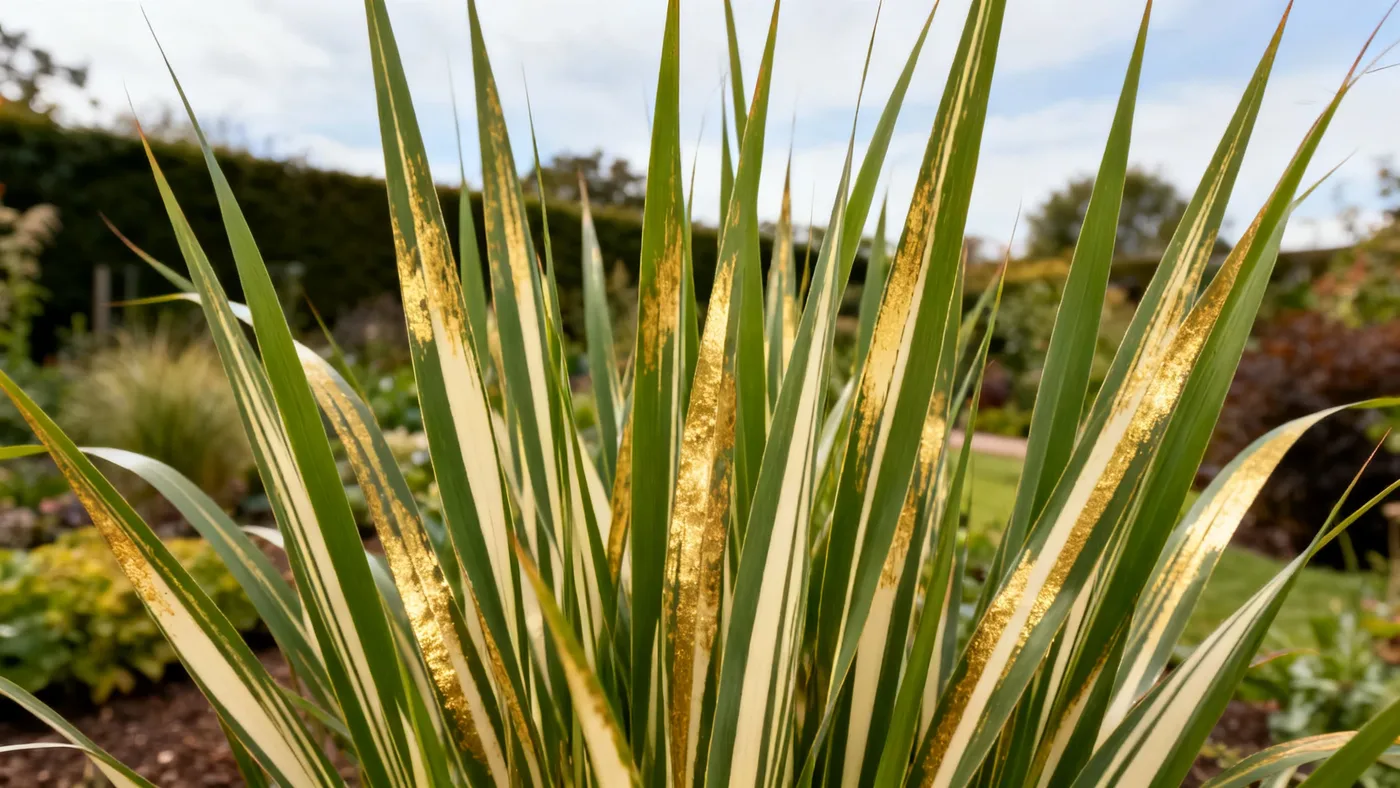
Do You Need to Fertilize Porcupine Grass? A Simple Guide
Porcupine Grass (Miscanthus sinensis 'Strictus') is a beautiful ornamental grass that brings vertical interest and winter texture to gardens across zones 5-9. Like many ornamental grasses, it is a light feeder that does not require heavy fertilization to thrive. In fact, over-fertilizing Porcupine Grass can lead to weak, floppy growth that undermines the plant's naturally upright and stiff habit. This guide walks you through what Porcupine Grass actually needs, when to feed it, and how to avoid the common pitfall of giving it too much.
Does Porcupine Grass Need Fertilizer?
Porcupine Grass is classified as a light feeder, which means it does not require regular fertilization to perform well. In most garden soils, especially those amended with compost or mulch during planting, established plants can thrive with little to no supplemental feeding.
That said, a single balanced fertilizer application in spring can give young plants a boost and help maintain vigorous growth in nutrient-poor soils. The key question is not "should I fertilize" but rather "does my soil need it." If your Porcupine Grass is growing steadily and the foliage color is rich green, additional feeding may not be necessary. If growth slows or foliage looks pale, a light spring application can help.
The risk of over-fertilizing is real and worth understanding. Feeding Porcupine Grass too much causes stems to become weak and floppy, especially after rain or wind. This defeats the purpose of growing this ornamental grass, which is prized for its stiff, architectural upright habit. The good news is that restraint in fertilizing actually produces better results with this plant.
Materials You'll Need
Fertilizing Porcupine Grass is straightforward and requires just a few items:
- Balanced fertilizer (10-10-10 NPK or similar, such as 5-5-5 or 8-8-8)
- Granular or slow-release form, not liquid (easier to apply evenly and safer for ornamental beds)
- Measuring cup or container to portion fertilizer
- Gloves for application and to keep hands clean
- Watering can or garden hose to water in the fertilizer after application
- Optional: soaker hose or drip line for consistent moisture after feeding
A balanced fertilizer is one where all three numbers in the NPK ratio are equal or close to equal. The numbers stand for nitrogen (N), phosphorus (P), and potassium (K). For ornamental grasses, a balanced blend avoids pushing excessive leafy growth at the expense of structural strength.
How to Fertilize Porcupine Grass: Step-by-Step
If you decide your Porcupine Grass needs a feeding, follow these steps in spring, just as new shoots are beginning to emerge:
- Wait until late winter or early spring. Resist the urge to fertilize in fall. Apply fertilizer once in spring, around the time you see the first signs of new growth pushing through the soil. In zones 5-7, this is typically March to April. In warmer zones 8-9, it may be February to March. This timing supports the plant's natural growth cycle and minimizes the risk of weak, tender growth that frost can damage.
- Check your soil (optional but recommended). If you are uncertain whether your soil is nutrient-rich or poor, a simple soil test can help. You can submit a sample to your local cooperative extension service for nutrient analysis. If your soil already has good organic matter and your grass looks vigorous, you may skip fertilizing altogether.
- Calculate the amount to apply. For a mature Porcupine Grass clump that is 3 to 4 feet wide, a light application is all that is needed. Follow the label instructions on your fertilizer package. As a general guide, 1 to 2 tablespoons of balanced granular fertilizer per plant is sufficient for ornamental grasses. Less is more with this plant.
- Apply the fertilizer. Scatter the measured fertilizer around the base of the clump, keeping it a few inches back from the crown to avoid direct contact with living foliage. Spread it out evenly over the root zone. Do not pile fertilizer or mulch against the center stems.
- Water thoroughly. After application, water the area well. Watering dissolves the granules and helps nutrients move into the root zone. This also prevents fertilizer burn. Water deeply enough to moisten the top 6 inches of soil.
- Mulch lightly if appropriate. If you have added fresh compost or wood chip mulch around the base of the plant during planting, you may skip additional fertilizing that year. Compost breaks down over time and provides slow, steady nutrients that ornamental grasses appreciate.
- Do not fertilize again that season. One application in spring is the standard for Porcupine Grass. Feeding in summer or fall encourages soft, weak growth that will not survive winter well and will cause your plant to flop.
Tips for Best Results
- Balanced fertilizer is best for ornamental grasses. Avoid high-nitrogen fertilizers designed for lawns or leafy greens. Nitrogen alone promotes excessive foliage and weak stems on ornamental grasses.
- Newly planted Porcupine Grass may need more support. Young plants from quart-size containers planted in spring may benefit from a light spring feeding in their first year to establish faster. After that, fertilizing is often unnecessary if the soil is decent quality.
- Mature clumps in rich garden soil rarely need feeding. If your Porcupine Grass has been growing for 2 or more seasons and is surrounded by well-amended beds with companion perennials like Sedum or Rudbeckia, the plant will likely thrive without fertilizer.
- Slow-release granular fertilizers are safer than liquid feeds. They release nutrients gradually and are less likely to cause fertilizer burn or overdose.
- Water consistently during the growing season. Porcupine Grass needs average, consistent moisture to establish well. Good soil moisture is often more important than fertilizer for getting a plant off to a strong start.
- Full sun maximizes the plant's appearance. Porcupine Grass shows its best color, stiff habit, and flowering in full sun. A well-fed plant in part shade may still develop weak stems, so location matters as much as feeding.
Common Mistakes to Avoid
Over-fertilizing is the most common error. More fertilizer does not equal better results with ornamental grasses. Excess nitrogen causes the upright clump to split open and flop over, especially after rain. This is particularly true if the plant is also in part shade or receives excessive moisture. If you notice your established Porcupine Grass leaning or opening up in the center, reduce or eliminate fertilizing in future years.
Fertilizing at the wrong time. Do not fertilize in fall or late summer. This pushes tender new growth that will be killed by frost and invites disease. Spring feeding, timed to coincide with the plant's natural growth surge, is the only application you should make.
Using lawn fertilizer. Lawn fertilizers are typically high in nitrogen to promote dense turf growth. On ornamental grasses, they cause the same problem: soft, floppy stems. Always reach for a balanced formula instead.
Applying fertilizer directly to the crown. Piling fertilizer or compost against the center of the clump traps moisture and invites rot or fungal disease. Keep mulch and fertilizer a few inches back from the plant's center.
Ignoring soil quality at planting time. A Porcupine Grass planted in well-prepared, mulched soil will often need no fertilizer for years. Spending time on soil prep at planting is more effective than chasing nutrient problems later.
Confusing Porcupine Grass with lookalike varieties. Porcupine Grass is sometimes confused with Zebra Grass (Miscanthus sinensis 'Zebrinus'), which has similar gold banding but a more arching, less rigid habit. Both are light feeders, but Porcupine Grass's upright form makes it especially prone to flopping if over-fertilized.
Expected Results
When you fertilize Porcupine Grass correctly, you can expect steady growth over the season. A young plant fed once in spring may grow 1 to 2 feet in height that year as it establishes. By the second or third growing season, the clump will reach its mature size of 5 to 7 feet tall (including flower plumes) and 3 to 4 feet wide, depending on your zone and growing conditions.
Foliage color should remain rich green with clear gold-to-cream horizontal banding across the blades, especially if the plant is in full sun. The stiff, upright habit should be pronounced, with stems staying tight and vertical rather than splaying outward. In late summer and fall, you can expect coppery-pink to reddish flower plumes that mature to silvery-white or tan.
If you notice weak, floppy growth or muted foliage color despite fertilizing, the issue is likely too much nitrogen, insufficient light, or excessive soil moisture rather than nutrient deficiency. Adjust one of these conditions and results should improve in the following season.
For more comprehensive care information, see our complete growing guide for Porcupine Grass.
Fertilizer Schedule Quick Reference
| When | Action | Fertilizer Type | Amount per Plant |
|---|---|---|---|
| Late winter/early spring (as new growth emerges) | Apply if needed | Balanced granular (10-10-10 or similar) | 1-2 tablespoons |
| Summer | Do not fertilize | N/A | N/A |
| Fall and winter | Do not fertilize | N/A | N/A |
When to Skip Fertilizer Entirely
- Established clumps (2 or more years old) in amended garden beds
- Plants showing vigorous green growth and rich foliage color
- Soil with recent compost or mulch additions at planting time
- Porcupine Grass growing alongside companion perennials that are already being fed
- Plants in full sun with good structure and no flopping issues
- Soils that tested adequate or high in nutrients via extension service